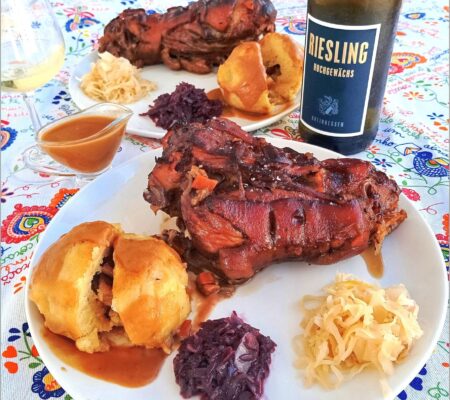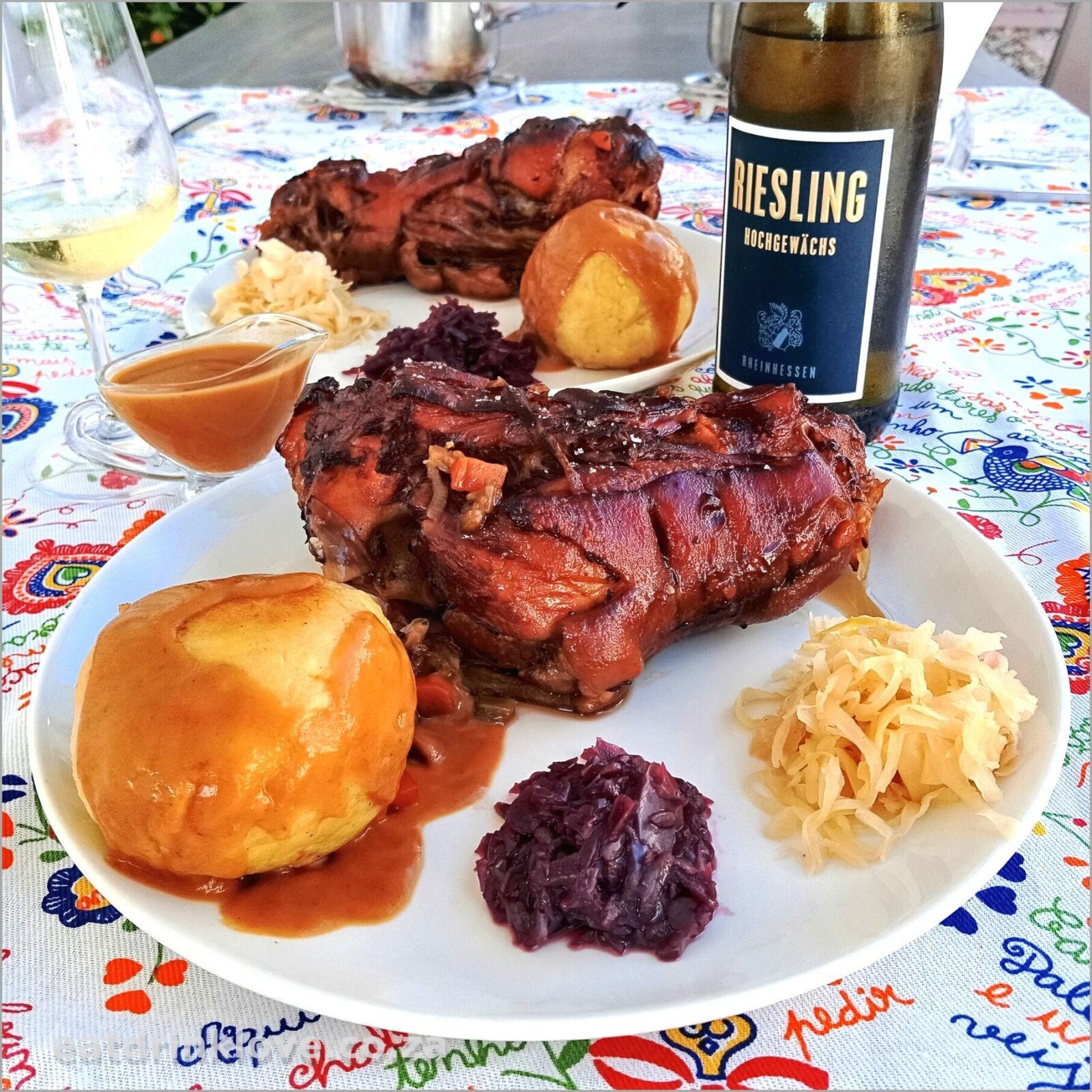

If you have magnificent pork shanks and a good German beer, there is really only one correct answer: Schweinshaxe (Crispy Roasted Pork Shank).
Normally roasted in a standard oven, I took this Bavarian classic outdoors to my wood-fired oven. The result? Fall-off-the-bone tender meat with a shatteringly crisp crackling. But this cook also came with a plot twist!
I swapped traditional potato starch for instant mash flakes in my Kartoffelknödel (potato dumplings). When I dropped them into simmering water, they immediately started to disintegrate. My quick fix? I pulled them out and pan-fried them in rendered pork fat. This “mistake” created the crispiest, most heavenly dumplings imaginable.
Here is exactly how this fire-cooked feast came together.
Wood-Fired Schweinshaxe
Ingredients
- 2 large Pork Shanks (Haxe)
- 500 ml German Beer: Dunkel, Helles, or Doppelbock.
- Aromatics: 2 large onion, 2 carrots, 2 celery stalks, and 6 cloves of garlic (chopped).
- Spices: 2 Tbsp caraway seeds, coarse sea salt, and black pepper. (Note: Traditional recipes often add marjoram)
- 2 Tbsp pork fat: For the sear and braise
The Method
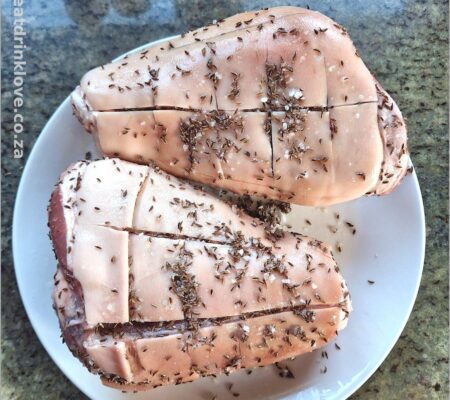
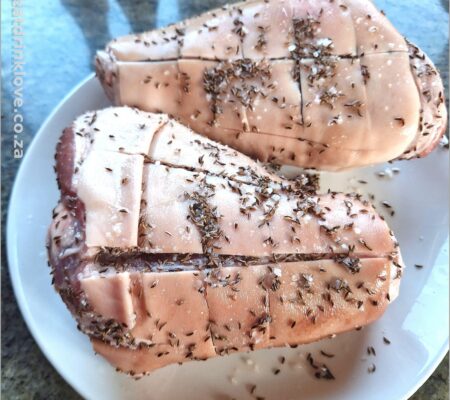
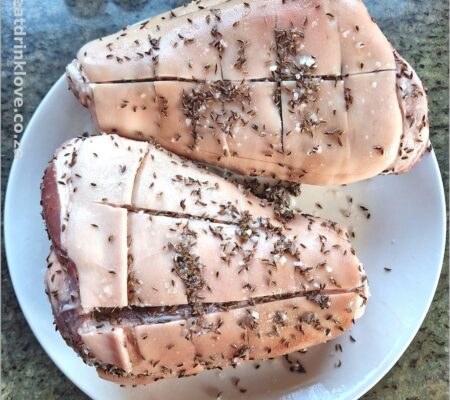
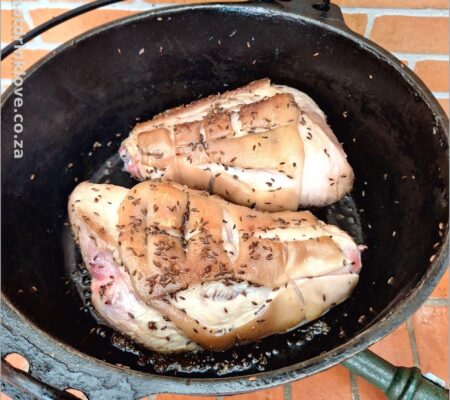
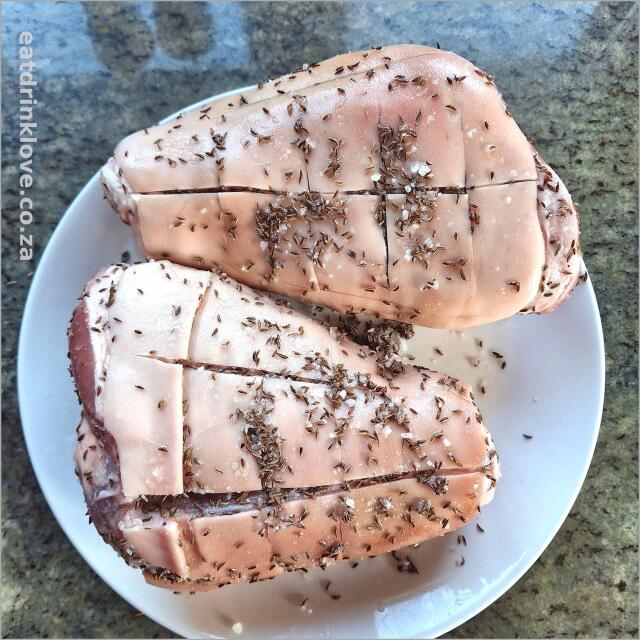
- Score & Season: Score the fat in a diamond pattern (don’t cut the meat). Rub aggressively with coarse salt and crushed caraway seeds.
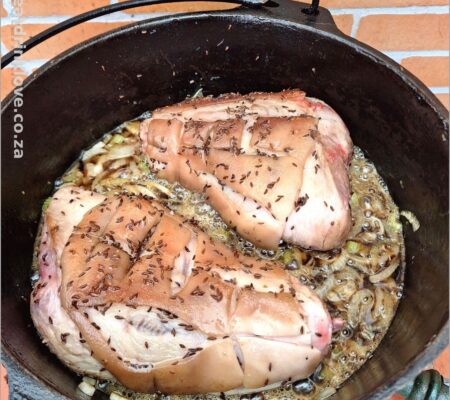
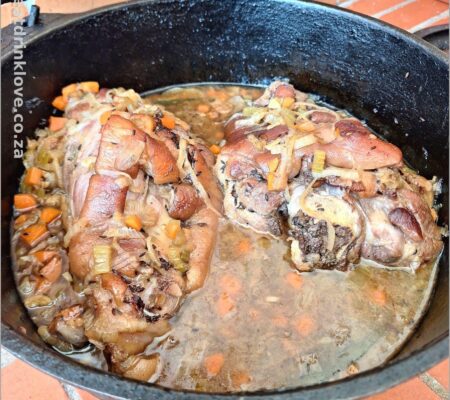
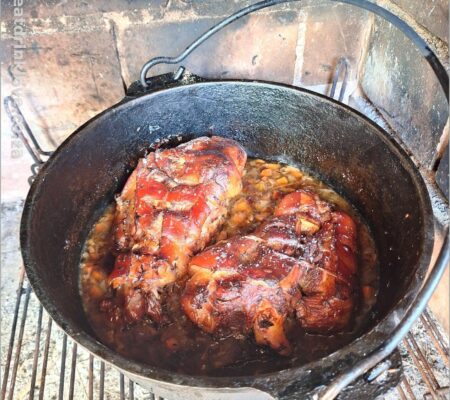
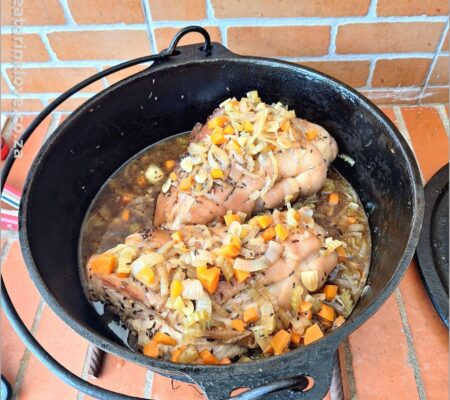
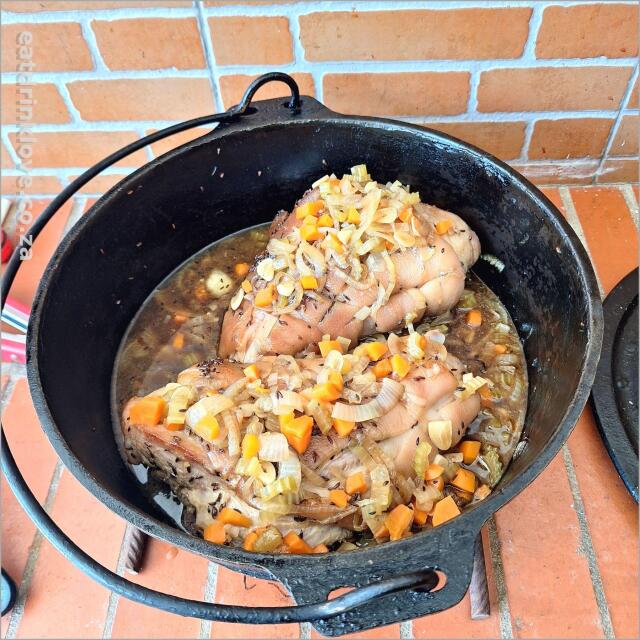
- The Sear & Braise: Heat 2 Tbsp of rendered pork fat in your heavy Dutch oven. Add the shanks and sear them aggressively until they are deeply browned on all sides. Remove the meat and set it aside. Toss your chopped vegetables into the hot fat, sautéing them until softened and caramelised. Pour in the beer to deglaze the pan, scraping up all those glorious browned bits from the bottom, and then nestle the pork shanks back in amongst the vegetables.
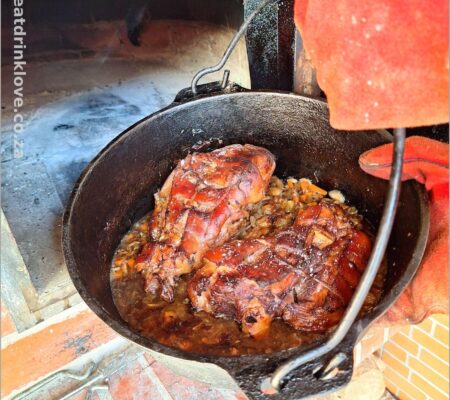
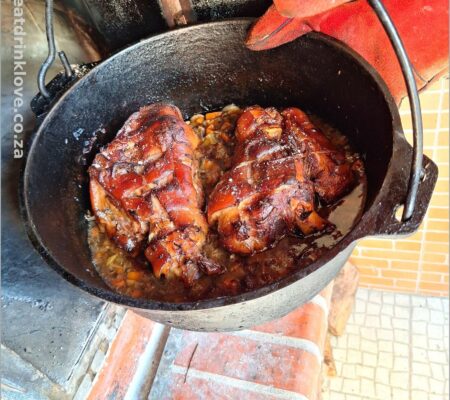
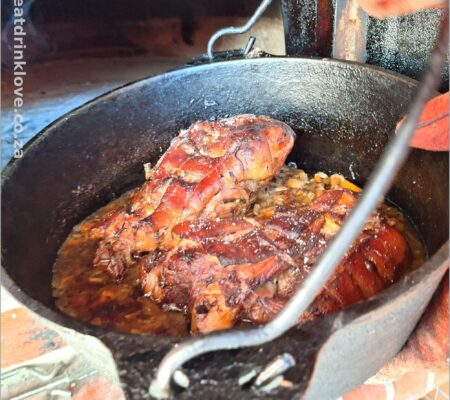
- Wood-Fired Roasting: Place into your wood-fired oven (around 160°C) for 2.5 to 3 hours. Baste the shanks completely—skin and all—every 30 minutes with the pan juices.
- The Crackling: For the last 20–30 minutes, push the heat to 230°C. The intense heat will dry out the basted skin and puff it into perfect crackling.
- The Gravy: Remove the meat and set it aside to rest. Take everything left in the pot—the roasted beer juices, onions, carrots, and all those caramelised aromatics—and liquidise it until completely smooth. Strain this blended mixture to remove any remaining fibrous bits, and simmer it down into a beautifully rich beer gravy.
Pan-Fried Kartoffelknödel (The Happy Accident)
Using whole eggs adds richness, while the instant mash substitution and pan-frying technique creates a totally unique, crispy texture.
Ingredients
- 1 kg starchy potatoes (boiled in their skins, then peeled)
- 150 g instant mashed potato flakes (99% potato)
- 2 large whole eggs
- 1 tsp salt & ¼ tsp nutmeg
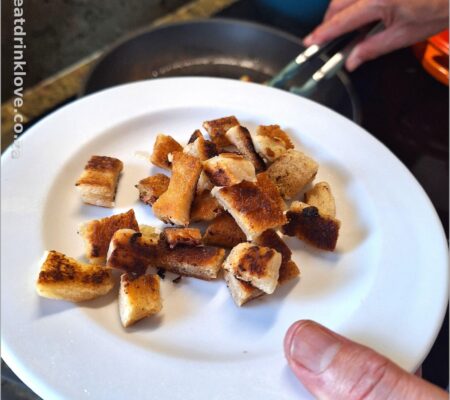
- 1 slice thick white bread (cubed) & 1 Tbsp butter (for toasted croutons)
- Rendered pork fat (for frying)
The Method
- Mash & Mix: Mash the hot, peeled potatoes smoothly. Let them cool slightly so they don’t scramble the eggs.
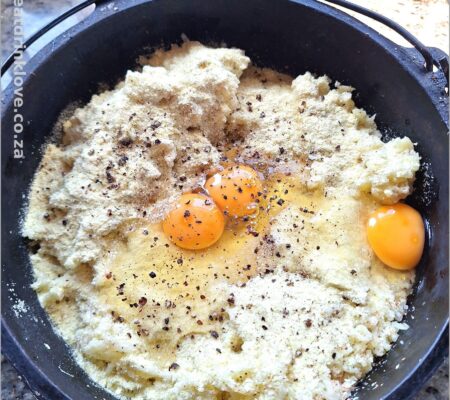
- Form the Dough: Mix in the instant mash flakes, salt, nutmeg, and whole eggs. Gently knead into a dough.
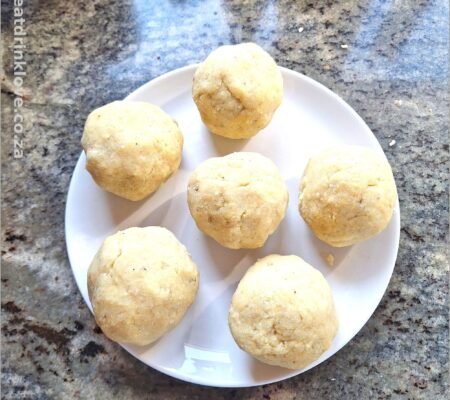
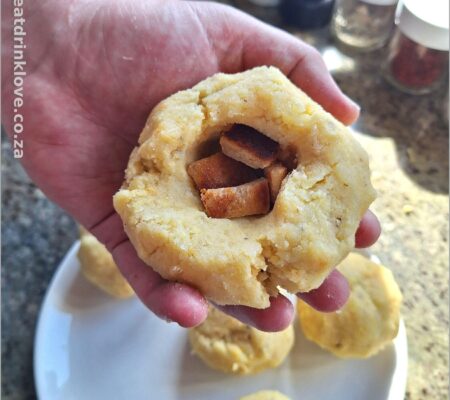
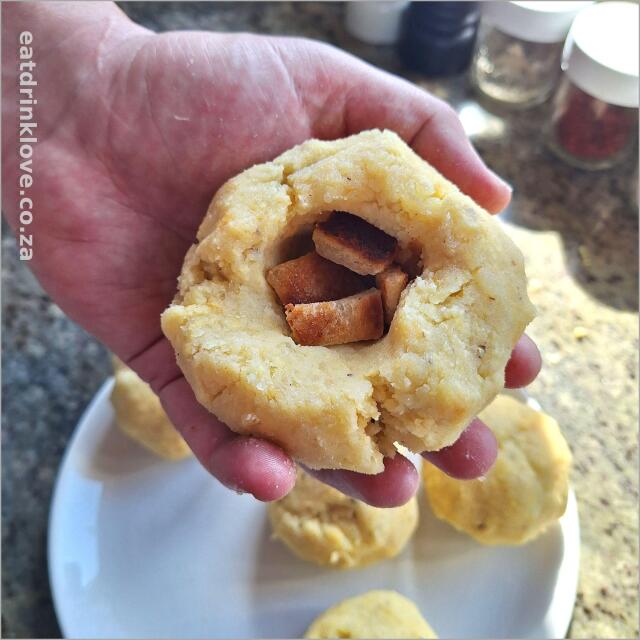
- Stuff: Roll the dough into tennis-ball-sized spheres. Poke a hole in the centre, drop in a few toasted bread cubes, and seal.
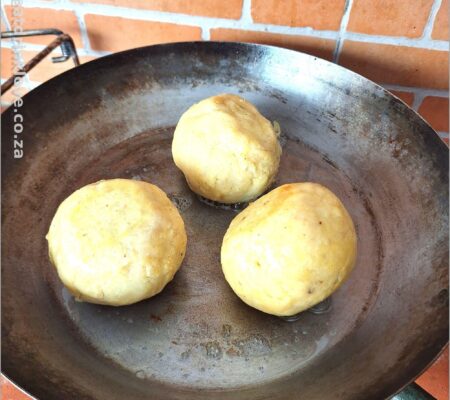
- The Rescue Fry: Heat a generous spoonful of rendered pork fat in a frying pan over medium heat. Fry the dumplings until golden brown and crispy on all sides.
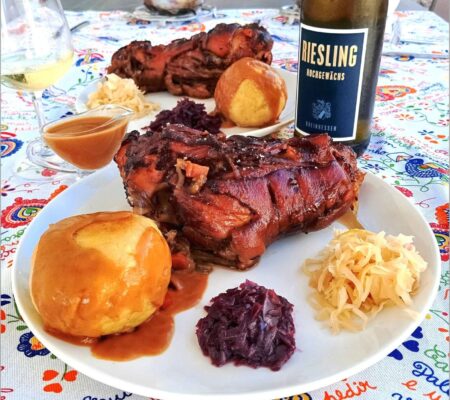
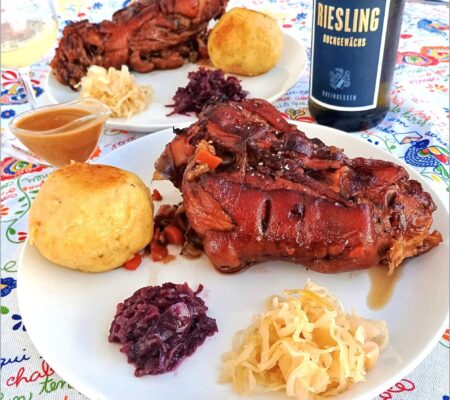
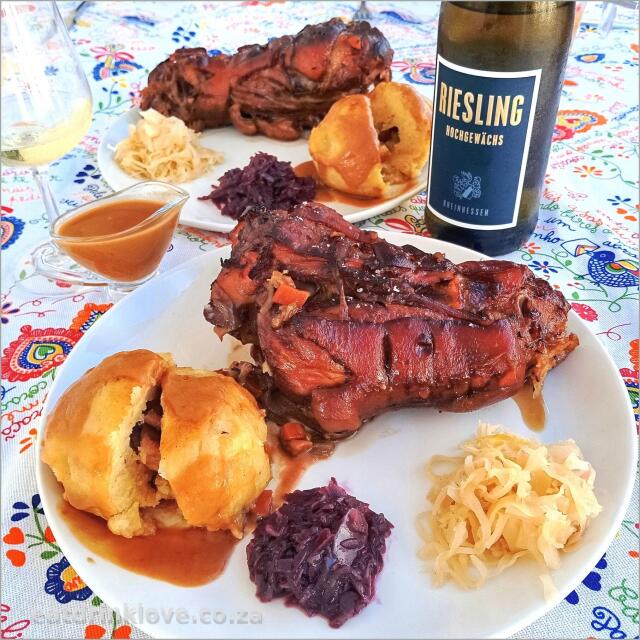
Serve your majestic Schweinshaxe with the crispy dumplings, a side of sauerkraut or red cabbage, and a generous pour of beer gravy.
The Humble Origins of a Beer Hall Legend
It is always fascinating how some of the most spectacular, feast-worthy dishes start off as humble peasant food. Historically, Schweinshaxe (roasted pork knuckle or shank) was exactly that.
In rural Bavaria, pigs were a vital source of sustenance, but the tough, hard-working muscles like the shank required a lot of culinary love to become palatable. Farmhouse cooks discovered that by cooking these tough cuts ‘low and slow’—often spit-roasted over a fire or gently braised for hours—the collagen would break down, turning the stubborn meat into something incredibly tender and succulent.
The pairing with beer was not just a happy accident, either! Bavaria has been world-renowned for its brewing culture for centuries. Serving this rich, fatty, and salty meat alongside a hearty Maß (a one-litre mug) of beer made perfect sense, as the crisp, cold brew cuts right through the richness of the pork. Over time, this rustic farmhouse meal made its way into the bustling Wirtshäuser (taverns) and beer halls of Munich, eventually becoming the iconic, crackling-covered centrepiece of Oktoberfest that we know today.
As for the Kartoffelknödel? They are a classic example of European culinary resourcefulness. Dumplings were crafted to ensure no potatoes or stale bread (hence the traditional crouton centre!) ever went to waste, acting as the perfect, fluffy sponge to mop up every last drop of that precious pan gravy.