

Last Updated on 1 May 2026 by Adrienne
I’ve created this page as a personal record of the various types of seafood I encounter in Portugal. It will be regularly updated as I explore and cook with different varieties of seafood.
If you are learning Portuguese, also check out this link.
Portugal’s soul lies by the sea. With an 800km coastline and a deep maritime history, it is no surprise that seafood forms the absolute cornerstone of the country’s cuisine. In fact, Portugal boasts the highest per capita seafood consumption in the European Union, with the average citizen eating over 53 kg of seafood per year. From ancient Roman fish processing facilities found along the coast to the epic naval voyages of the Age of Discovery, the ocean has always provided the Portuguese with a vital source of nourishment and economic lifeblood.
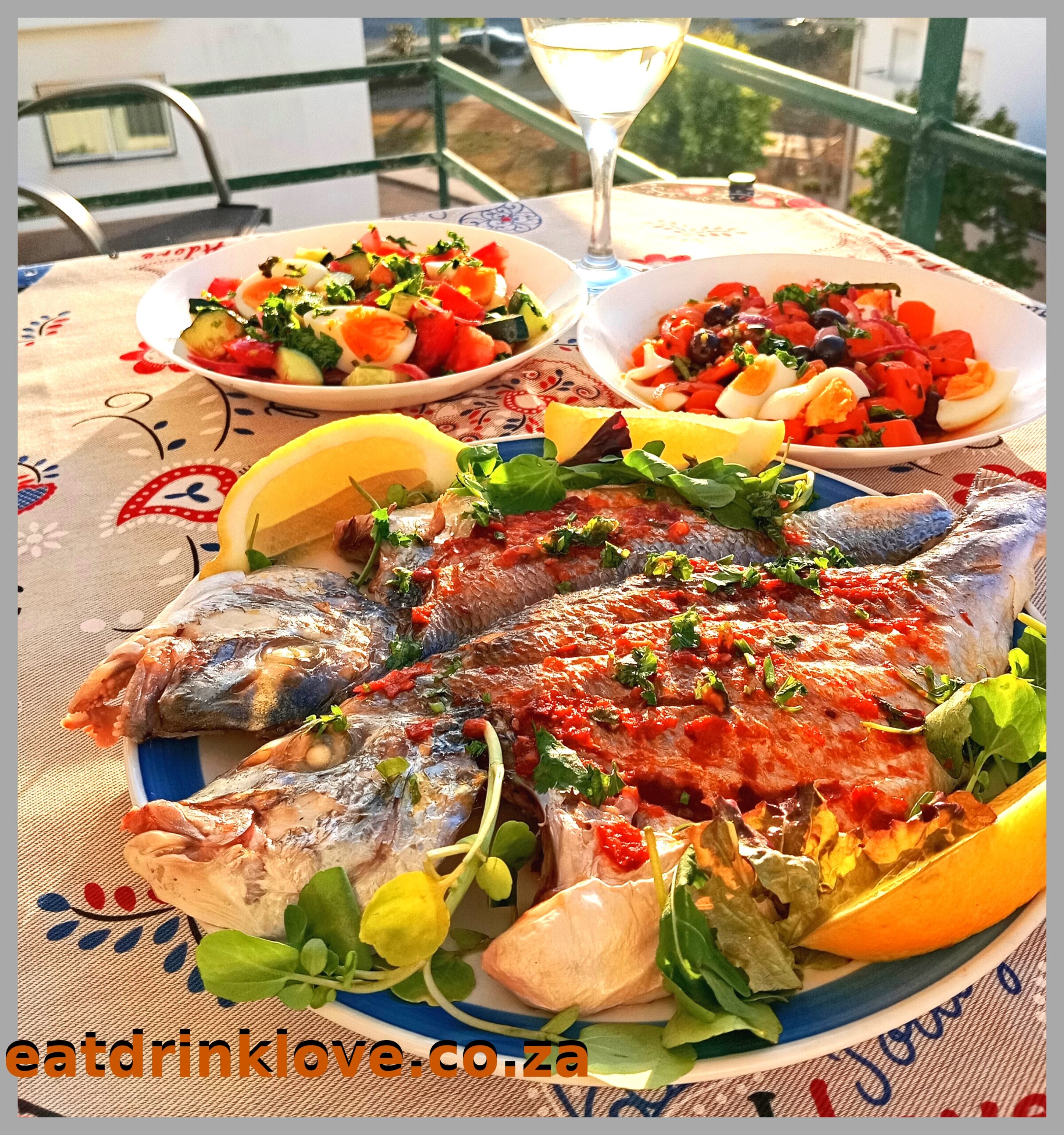
The true secret to Portuguese seafood lies in a strict “simpler is better” culinary philosophy. Instead of masking flavors with heavy, complicated sauces, Portuguese cooks let the exceptional quality of the wild-caught seafood shine. Meals are often prepared with nothing more than a charcoal grill, coarse sea salt, premium local olive oil, fresh garlic, and a squeeze of lemon.
When dining in Portugal, you will generally find the ocean’s bounty divided into four distinct categories, each offering its own unique flavors and traditions:
1. Fish (Peixes)
While the Portuguese coast provides an abundance of fresh, premium catches like the iconic summer sardine (sardinha), delicate sea bass (robalo), and savory horse mackerel (carapau), the country’s most treasured fish is actually imported. Bacalhau (salted cod) is a national obsession boasting over 1,000 different recipes. Preserved in salt—a technique perfected over centuries of seafaring—it remains a daily staple and the centerpiece of traditional Catholic holiday meals.
2. Cephalopods (Cefalópodes)
These highly intelligent, flexible marine creatures are beloved from the northern borders down to the Algarve. Whether it is a delightfully tender, slow-roasted polvo (octopus) dripping in olive oil, perfectly crispy fried choco (cuttlefish) from Setúbal, or sweet, delicately grilled lula (squid), cephalopods provide a highly versatile, sustainable, and essential protein source in the local diet.
3. Shellfish (Bivalves & Molluscs)
Harvested from rocky coastal cliffs and rich estuaries, Portuguese shellfish bring sweet, concentrated tastes of the ocean to the table. Culinary highlights include amêijoas (clams) famously steamed in white wine, garlic, and cilantro, deeply flavorful mussels (mexilhão), and the incredibly rare goose barnacles (percebes)—a bizarre-looking delicacy that brave fishermen risk their lives to chisel off jagged, wave-battered rocks.
4. Crustaceans (Crustáceos)
Adding a touch of coastal luxury, crustaceans are the undisputed stars of Portugal’s specialized seafood restaurants, known as marisqueiras. The premium offerings range from sweet, deep-water gambas (prawns) and massive, crimson carabineiros (scarlet prawns), to the decadent, paté-stuffed brown crab (sapateira) and the highly prized, sweet-fleshed European lobster (lavagante).
Ultimately, seafood in Portugal is much more than just a meal; it is a cultural ritual that brings communities together, defines regional identities, and drives vibrant summer festivals. Whether you sit down at a humble, smoke-filled beachside tasca or an upscale urban marisqueira, exploring these four pillars of the sea will give you a true, unforgettable taste of Portugal.
As I dive deeper into Portugal’s seafood culture, I’ll keep updating this page with new discoveries—whether it’s a hidden coastal recipe or a fresh catch from the market.